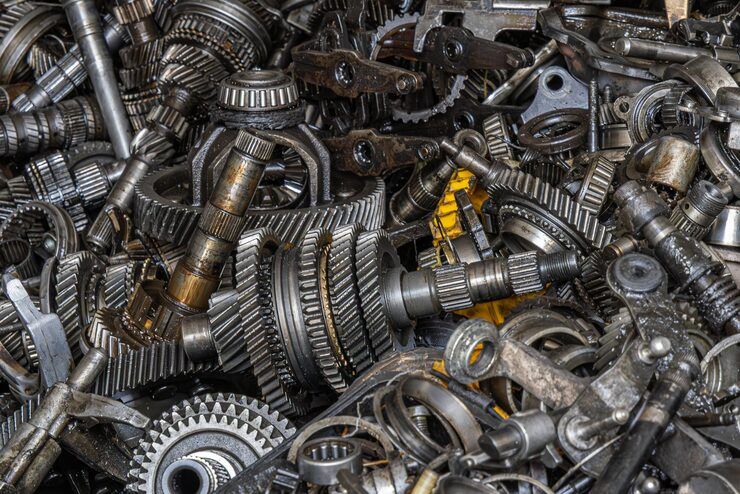
Heavy equipment plays a central role in construction, mining, agriculture, manufacturing, and infrastructure development.
From excavators moving earth to industrial loaders handling heavy materials, these machines depend on specialized components that deliver power, stability, and reliable performance under demanding working conditions.
Heavy equipment and spare parts are closely connected because even a well-maintained machine experiences wear as it operates. Replacement components help restore functionality, maintain operating efficiency, and reduce the risk of unexpected equipment downtime. Selecting appropriate parts also helps preserve compatibility between mechanical, hydraulic, electrical, and control systems.
Understanding the essential components of heavy machinery helps equipment operators, fleet managers, maintenance teams, and procurement professionals make informed decisions. Knowing how major systems work, which parts commonly require attention, and how to recognize component deterioration can support more effective maintenance planning.
How Major Heavy Equipment Systems Work Together
Heavy machinery relies on several interconnected systems rather than a single powerful engine. Each system performs a specific function, but overall performance depends on how effectively the components work together.
The powertrain generates and transfers power to the parts responsible for movement. Hydraulic systems operate lifting arms, buckets, cylinders, and other working attachments. Electrical and electronic systems coordinate starting, monitoring, safety functions, and machine controls.
Structural components provide the strength needed to support loads and withstand repeated stress. Frames, booms, axles, tracks, and protective structures must maintain their integrity throughout the machine's working life.
A problem in one system can affect others. For example, a hydraulic leak may reduce lifting performance, while worn undercarriage components can affect machine stability and increase strain on related parts. Understanding these relationships makes troubleshooting more effective than replacing components based on symptoms alone.
Engine and Powertrain Components
The engine supplies the energy required to operate most heavy equipment. Depending on the machine, it may power a transmission directly or drive hydraulic pumps and other equipment through mechanical connections.
Essential engine components include pistons, cylinder liners, valves, fuel injectors, filters, cooling components, and lubrication systems. Each contributes to combustion, heat management, or the reduction of friction between moving parts.
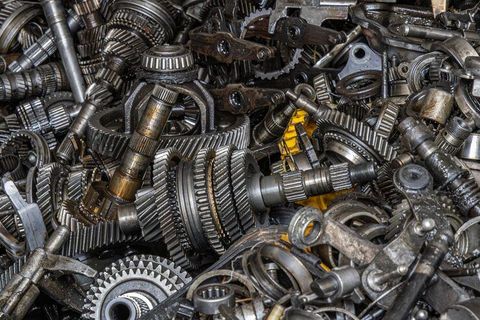
The powertrain transfers engine output into useful movement. It may include a transmission, torque converter, driveshafts, differentials, axles, and final drives. These components must withstand substantial loads, particularly when machinery operates on uneven ground or carries heavy materials.
Warning signs such as unusual vibration, overheating, reduced power, fluid leakage, or abnormal noise can indicate developing problems. However, these symptoms can have several causes, so proper inspection and diagnostic testing are important before replacing major components.
Hydraulic Components That Control Machine Movement
Hydraulic systems are essential to many excavators, wheel loaders, bulldozers, cranes, and other machines. They use pressurized fluid to generate and control force, allowing operators to lift, push, rotate, or position heavy loads with precision.
The hydraulic pump converts mechanical power into fluid flow. Control valves direct that flow, while hydraulic cylinders or motors convert hydraulic energy into linear or rotational movement. Hoses, pipes, seals, reservoirs, and filters support the system by carrying, containing, and maintaining the fluid.
Hydraulic performance depends on more than pump capacity. Contaminated fluid, damaged seals, restricted filters, incorrect fluid levels, or worn valves can reduce efficiency and cause erratic movement.
Routine inspections should focus on leaks, damaged hoses, unusual operating temperatures, and changes in movement speed or force. Because hydraulic systems can retain dangerous pressure even after a machine stops, maintenance must follow the manufacturer's isolation and pressure-release procedures.
Undercarriage, Tires, and Structural Parts
The components supporting a machine's weight experience constant mechanical stress. Their condition influences traction, stability, maneuverability, and the ability to operate safely across different surfaces.
Tracked machines use undercarriage components such as track chains, rollers, idlers, sprockets, track shoes, and tensioning systems. These parts interact continuously as the machine travels, making wear assessment essential for maintaining reliable movement.
Wheeled equipment depends on tires, rims, wheel bearings, axles, and steering components. Tire condition and pressure can influence traction, stability, and operator control, particularly when working on rough or uneven terrain.
Structural parts, including frames, booms, arms, buckets, pins, and bushings, must withstand repeated loading. Cracks, deformation, excessive joint movement, and unusual wear patterns may indicate that a component requires closer examination.
Maintaining these systems helps prevent small mechanical issues from developing into larger failures that affect productivity or machine safety.
Electrical and Electronic Spare Parts
Modern heavy equipment combines mechanical systems with increasingly sophisticated electronics. Sensors, controllers, wiring harnesses, relays, switches, alternators, starters, and batteries support functions ranging from engine management to operator displays and automated control.
Sensors measure conditions such as temperature, pressure, speed, and fluid levels. Electronic control units process this information and adjust machine behavior according to programmed operating requirements.
Electrical problems can sometimes resemble mechanical failures. A faulty sensor may generate an incorrect warning, while damaged wiring can interrupt communication between controllers and machine components. Replacing a major assembly without checking the electrical system may therefore fail to resolve the underlying issue.
Diagnostic tools can help technicians read fault codes, inspect operating data, and identify irregular signals. Accurate troubleshooting is particularly valuable in electronically controlled machinery, where several components may depend on the same electrical connection or communication network.
Selecting Compatible Replacement Parts
Choosing the correct spare part requires more than matching its general appearance or dimensions. Components must meet the machine's technical requirements and operate correctly within the surrounding systems.
The machine's make, model, serial number, engine configuration, and production year can help identify the appropriate component. Part numbers and manufacturer documentation provide additional confirmation, particularly when equipment has undergone revisions or uses different configurations across production batches.
Original equipment manufacturer parts are produced or specified for the relevant equipment application. Aftermarket parts are manufactured by other suppliers and may provide suitable alternatives when their specifications and quality are appropriate.
Compatibility should be evaluated through material specifications, dimensions, operating tolerances, pressure ratings, load capacity, and applicable performance requirements. A part that fits physically may still fail prematurely if it cannot withstand the machine's actual operating conditions.
For critical components, procurement teams should also consider supplier traceability, documentation, warranty terms, and quality verification. These checks help reduce the risk of receiving incorrect, substandard, or poorly documented components.
Maintenance Practices That Extend Component Life
Preventive maintenance helps identify deterioration before it causes an unexpected breakdown. A structured maintenance plan combines scheduled servicing, routine inspections, operating data, and the machine manufacturer's maintenance recommendations.
Operators can contribute by checking fluid levels, looking for visible leaks, listening for abnormal sounds, and reporting changes in machine behavior. Maintenance technicians can perform more detailed inspections, analyze fluids, measure component wear, and investigate recurring fault codes.
Maintenance records are equally valuable. Recording replacement dates, operating hours, inspection findings, and recurring failures helps teams identify patterns across individual machines or entire fleets.
Condition-based maintenance takes this approach further by using evidence of actual component condition to guide intervention. Oil analysis, vibration monitoring, temperature measurements, and diagnostic data can help determine when closer inspection or planned replacement is warranted.
The objective is not to replace every component at the first sign of wear. It is to identify deterioration early enough to make informed decisions without compromising reliability or safety.
Managing Spare Parts Inventory and Equipment Downtime
Spare parts planning affects how quickly maintenance teams can return equipment to service. A missing critical component can extend downtime even when technicians have correctly diagnosed the problem.
Inventory planning should consider equipment usage, component failure patterns, supplier lead times, and the consequences of a machine becoming unavailable. Frequently used filters and service items may require regular replenishment, while expensive or specialized components may need a different stocking strategy.
A computerized maintenance management system can connect inventory records with service schedules, work orders, equipment histories, and purchasing activities. This visibility helps teams understand which parts are available, which are reserved for repairs, and which require replenishment.
Effective planning does not mean storing every possible component. It means identifying the parts whose availability has the greatest effect on operational continuity and managing them according to documented maintenance needs.
Frequently Asked Questions
Which spare parts commonly require regular inspection?
Filters, belts, hoses, seals, hydraulic components, tires, track parts, bearings, and wear surfaces commonly require attention. Inspection frequency depends on the machine, operating environment, workload, and manufacturer recommendations.
How can equipment operators recognize a failing component?
Warning signs include unusual noise, vibration, overheating, fluid leaks, reduced power, slow hydraulic movement, and dashboard alerts. These symptoms should prompt appropriate inspection rather than an assumption that a particular part has failed.
Are aftermarket heavy equipment parts suitable for machinery?
Aftermarket parts can be suitable when they meet the machine's specifications, quality requirements, and operating demands. Compatibility, manufacturer documentation, supplier reliability, and traceability should be evaluated before installation.
How can businesses reduce heavy equipment downtime?
Preventive maintenance, accurate fault diagnosis, operator inspections, reliable maintenance records, and planned availability of critical spare parts can reduce avoidable downtime. Regular reviews help identify recurring problems before they disrupt operations.
Why is the machine serial number important when ordering parts?
A serial number helps identify the machine's exact configuration and production details. This reduces the likelihood of selecting an incompatible component when different versions of the same model use different parts.
Conclusion
Heavy equipment depends on the coordinated performance of engine, hydraulic, powertrain, structural, electrical, and undercarriage systems. Understanding these components helps maintenance teams identify wear, select compatible replacement parts, and maintain dependable machine operation.
A combination of preventive maintenance, accurate diagnostics, reliable parts identification, and thoughtful inventory planning supports equipment longevity and operational continuity. The most effective approach is to treat spare parts management as an integral part of equipment maintenance rather than a response to breakdowns alone.