Accent chairs can change the character of a room without requiring a complete redesign. Their shape, color, upholstery, and placement introduce another visual element that can either complement existing furniture or create a deliberate point of contrast.
The role of accent chairs has also expanded as interior spaces become more flexible. A chair may provide additional seating, define a reading corner, balance a large sofa, or add texture to an otherwise restrained room. Its design therefore influences both appearance and everyday use.
Understanding how different design choices work together makes it easier to evaluate accent chairs according to the needs of a particular space. Shape affects visual weight, color influences mood and cohesion, while fabric contributes texture, comfort, and practicality.
Why Shape Matters in Room Design
The silhouette of an accent chair affects how furniture is perceived across the entire room. Angular chairs tend to create a structured, contemporary appearance, while rounded forms can soften spaces dominated by straight lines and sharp furniture edges.
A chair's scale is equally important. A large, deep seat can become visually heavy in a compact room, while a lightweight frame may appear lost beside a substantial sectional. Proportion helps determine whether the chair feels integrated rather than simply placed into an empty area.
Leg design can change the impression as well. Exposed legs often create a lighter appearance because more floor remains visible, whereas enclosed bases or heavy frames can make a chair appear more grounded.
Matching Shape With Existing Furniture
A room does not need identical furniture shapes to feel coordinated. In fact, some variation can make a space more visually interesting.
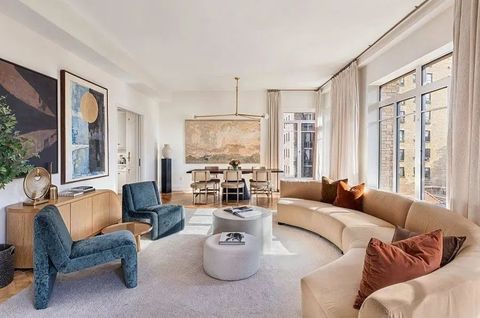
For example, a curved accent chair can provide contrast beside a rectangular sofa without appearing disconnected. The connection can come from shared materials, similar proportions, or repeated colors elsewhere in the room.
The objective is balance rather than duplication. When every furniture piece has the same silhouette, the room may appear overly predictable. Too much contrast, however, can make the arrangement feel fragmented.
Color Creates Visual Connection
Color is one of the quickest ways an accent chair can influence a room. A chair can repeat an existing shade, introduce a complementary tone, or provide a restrained contrast that draws attention toward a specific area.
Neutral colors such as beige, gray, cream, and brown generally integrate easily with different interior palettes. Deeper shades can add visual weight, while lighter tones may make a chair appear less dominant.
Accent colors work differently. A muted blue, green, terracotta, or mustard tone can create interest without overwhelming the rest of the room when the surrounding palette remains relatively controlled.
Using Color Without Creating Imbalance
The strongest results usually come from connecting the chair's color to something else in the space. A shade might appear again in artwork, cushions, curtains, rugs, or decorative objects.
This does not require exact color matching. Slight variations often produce a more natural and layered appearance than repeating one shade throughout the room.
It is also useful to consider the amount of visual space occupied by the chair. A saturated color on a large upholstered piece attracts more attention than the same color on a smaller occasional chair. Color selection therefore needs to be considered alongside scale and placement.
Fabrics Add Texture and Character
Fabric influences more than appearance. Upholstery affects how a chair feels to the touch, how light interacts with its surface, and how much visual texture it contributes to the room.
Velvet, for example, creates a soft and visually rich surface. Linen and cotton can produce a more relaxed appearance, while woven fabrics often introduce noticeable texture and depth.
Leather and other smooth upholstery materials generally create a cleaner visual effect. The appropriate fabric depends on the desired atmosphere as well as how frequently the chair will be used.
Pattern and Texture
Patterned upholstery can make an accent chair a stronger focal point, particularly in rooms with relatively simple furniture. Geometric prints, botanical motifs, stripes, and abstract patterns each create different visual rhythms.
Textured solid fabrics offer another approach. Instead of relying on visible patterns, they create interest through weave, pile, stitching, or surface variation.
When combining textures, contrast works best when it remains intentional. A highly textured chair can stand out effectively against smooth upholstery and simple surfaces, but multiple competing patterns may make the room feel visually busy.
Placement Determines the Chair's Role
Even a well-designed accent chair can look out of place if it is positioned without considering the room's layout. Placement should reflect both circulation and function.
A chair beside a sofa can support conversation and create a balanced seating arrangement. Positioned near a window, it may define a quiet reading space. In a bedroom, a smaller chair can create a useful transitional area without interfering with movement.
Spacing also matters. Furniture should have enough room around it for people to move comfortably, while the chair should remain visually connected to the surrounding arrangement.
Accent Chairs Across Different Interior Styles
Accent chairs can work within a wide range of design approaches because their defining feature is flexibility.
In contemporary interiors, clean lines, tapered legs, and understated upholstery can reinforce a streamlined aesthetic. Traditional rooms may suit more detailed frames, curved backs, or richer fabrics.
Mid-century-inspired spaces often benefit from compact proportions, wooden elements, and distinctive silhouettes. In minimalist interiors, a simple chair with carefully selected color or texture can provide character without adding unnecessary visual complexity.
The chair does not have to belong strictly to the same design category as the rest of the room. A thoughtfully chosen contrast can make the overall composition more dynamic.
Comfort Should Remain Part of the Design
Visual impact should not replace practical comfort. Seat depth, back support, arm height, cushioning, and overall proportions influence whether a chair works well for everyday use.
A chair intended for extended reading requires different characteristics from one primarily used as occasional seating. The intended function should therefore influence the selection of shape and construction.
Comfort also contributes to visual perception. An appropriately scaled chair tends to feel more natural within the room because its proportions correspond to the people using it.
Creating a Balanced Furniture Arrangement
A successful room usually combines repetition and contrast. Accent chairs can contribute to this balance through color, shape, material, or placement.
Consider the visual weight of nearby furniture, the amount of open floor space, and the direction of natural movement through the room. The chair should support the composition rather than interrupt it.
A useful approach is to identify what the room currently lacks. A space filled with straight lines may benefit from curves. A neutral palette may need controlled color. A collection of smooth surfaces may gain depth from textured upholstery.
Frequently Asked Questions
What makes a chair an accent chair?
An accent chair is typically a standalone seating piece selected to add visual interest, contrast, or additional function to a room. Its distinctive shape, color, material, or placement often gives it a noticeable design role.
Should an accent chair match the sofa?
It does not need to match exactly. Coordinating through color, fabric, proportions, or design details can create cohesion while still allowing the chair to provide useful contrast.
What color works well for an accent chair?
The appropriate color depends on the surrounding palette. Neutral tones offer flexibility, while deeper or more saturated colors can create a stronger focal point when used thoughtfully.
Which fabric is suitable for an accent chair?
The choice depends on appearance, texture, comfort, and expected use. Different upholstery materials provide different tactile and visual qualities, so the room's function should guide the decision.
Where should an accent chair be placed?
Placement depends on the room's purpose and layout. Common positions include beside a sofa, near a window, within a reading area, or in an unused corner that can support additional seating.
Conclusion
Accent chairs influence much more than the amount of seating available in a room. Their silhouettes affect visual balance, colors create connections or contrast, and fabrics contribute texture, comfort, and character.
The most effective choice considers these elements together rather than evaluating any single feature in isolation. When shape, color, material, scale, and placement work in harmony with the surrounding furniture, an accent chair can become a natural and purposeful part of the room's overall design.