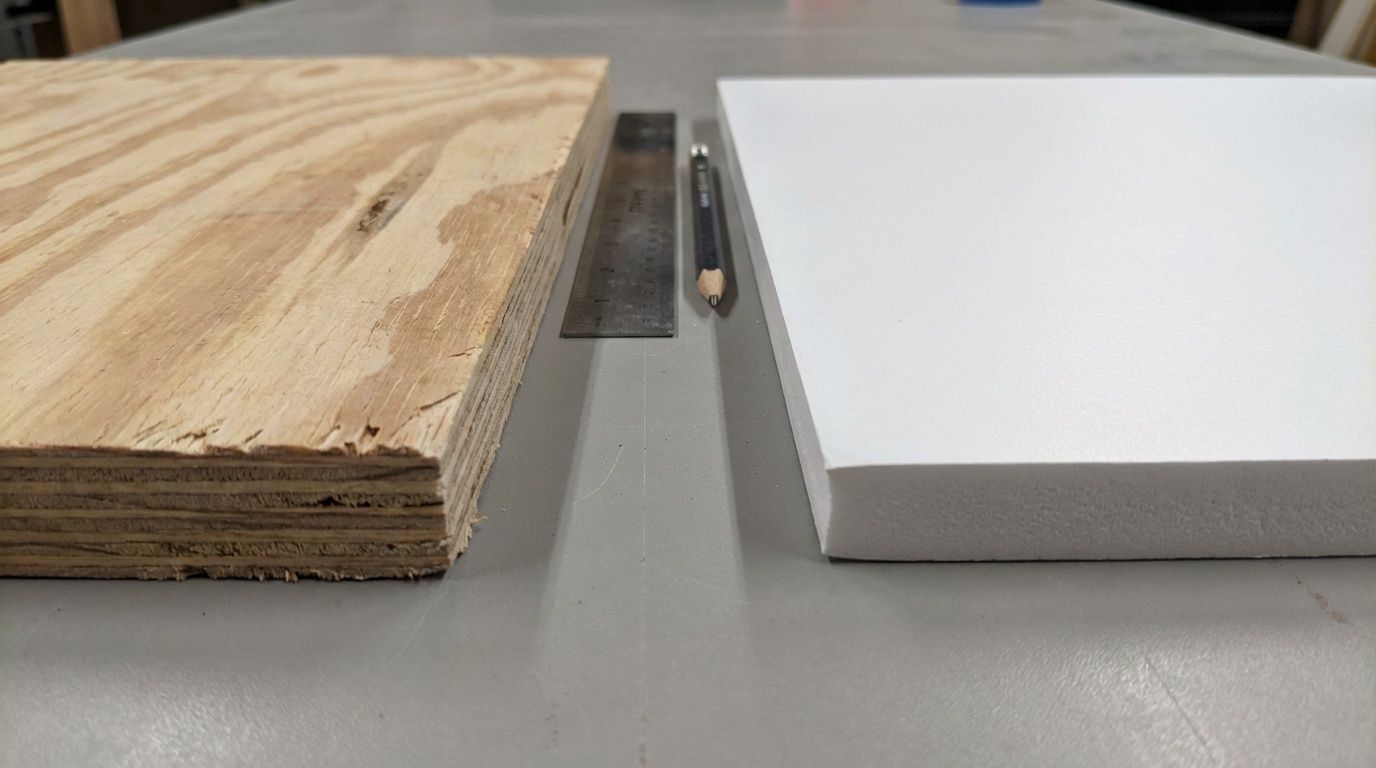
Furniture durability depends on more than how strong a material feels when it is new. Everyday moisture, sunlight, temperature changes, cleaning habits, impacts, weight, and maintenance can gradually affect how well furniture performs. This is why comparing PVC furniture vs wood furniture requires looking beyond appearance and considering the conditions in which each material will be used.
PVC and wood behave differently because they have fundamentally different material properties. PVC furniture is generally resistant to moisture and does not absorb water like untreated wood, while wood can provide structural strength, repairability, and long-term performance when properly selected and maintained.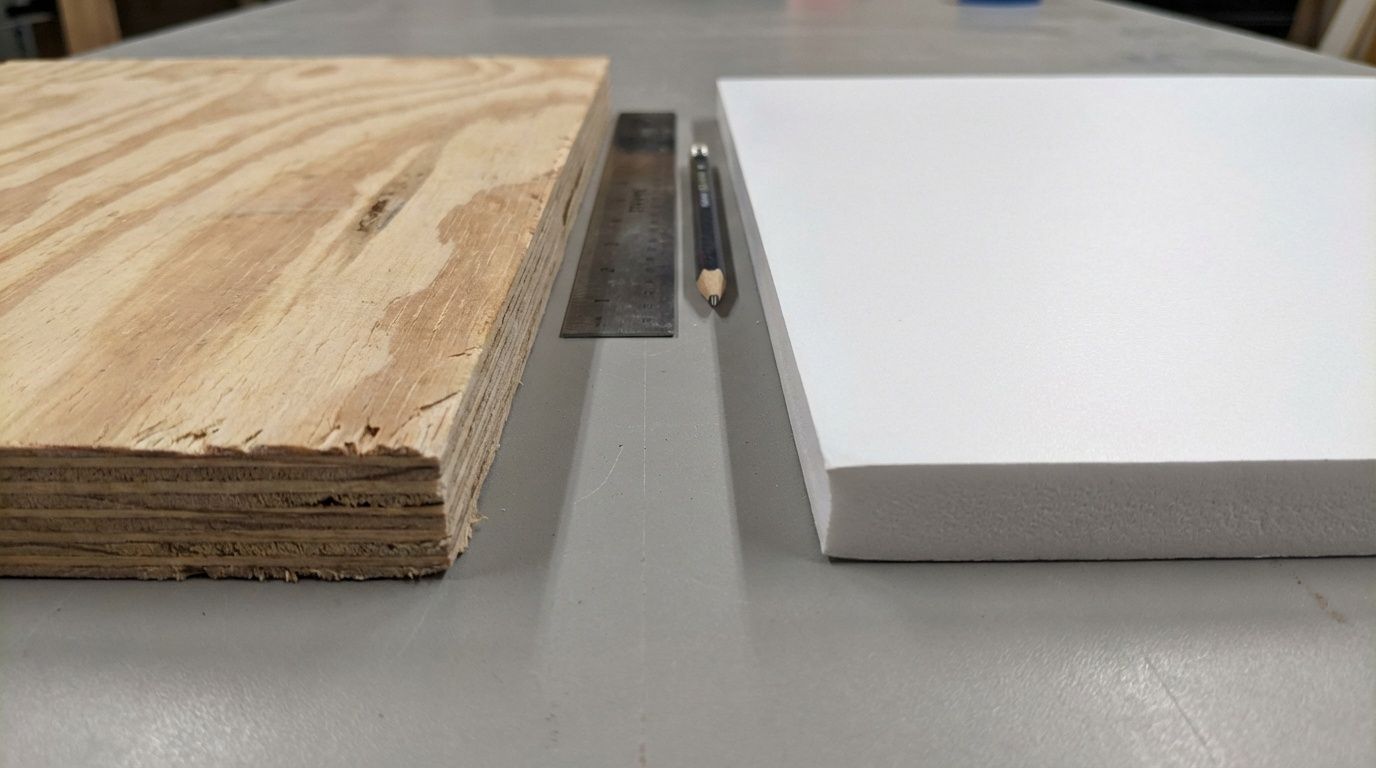
Understanding these differences can make furniture selection more practical. Durability is not a single characteristic; it includes resistance to moisture, scratches, structural stress, environmental exposure, aging, and everyday use. Each material has situations where its characteristics become particularly relevant.
How PVC and Wood Respond to Everyday Use
PVC, or polyvinyl chloride, is a synthetic polymer used in many furniture applications. It can be manufactured as boards, hollow sections, molded components, or composite structures. Its resistance to moisture makes it particularly relevant in environments where occasional water exposure is expected.
Wood is a natural material with properties that vary considerably according to species, moisture content, grain structure, construction method, and finishing. Hardwood, softwood, engineered wood, and solid timber should not be treated as one identical category.
This distinction matters when evaluating durability. A well-constructed hardwood piece can behave very differently from a lightweight softwood product, just as a reinforced PVC board can perform differently from a thin hollow PVC component.
For that reason, the material itself is only one part of the durability equation. Construction quality, thickness, joints, hardware, surface treatment, and intended application can have an equally significant effect.
Moisture Resistance Creates a Major Difference
Moisture is one of the clearest areas where PVC and wood differ.
PVC does not naturally absorb water in the same way porous wood does. This makes PVC-based furniture useful in locations where humidity, splashes, or occasional exposure to moisture are concerns.
Wood can absorb and release moisture as environmental conditions change. Repeated cycles of wetting and drying may contribute to swelling, shrinking, warping, cracking, or deterioration, particularly when the material is inadequately sealed or exposed for long periods.
However, wood is not automatically unsuitable for humid environments. Proper species selection, construction, sealing, ventilation, and maintenance can substantially improve its performance.
PVC therefore has a material-level advantage in moisture resistance, but actual durability still depends on the quality and design of the furniture.
Strength and Structural Performance
Strength is more complicated than simply asking which material is stronger.
Wood has a long history as a structural furniture material because many species provide substantial stiffness and load-bearing capability. Solid timber can support significant loads when the grain direction, dimensions, joints, and construction are appropriately designed.
PVC furniture can also be structurally capable, particularly when thicker boards, internal reinforcement, appropriate profiles, and strong joining methods are used. However, lightweight PVC constructions may flex or deform under loads for which a substantial timber structure would remain rigid.
Temperature can also affect some PVC products. Extended exposure to elevated temperatures may contribute to softening or dimensional changes, depending on the formulation and construction.
Consequently, furniture durability should be evaluated according to the actual load and application rather than material labels alone.
Resistance to Scratches, Impacts, and Surface Wear
Everyday surface wear is another important consideration. Tables, cabinets, chairs, and storage units may experience repeated contact with objects, cleaning equipment, footwear, and household activities.
PVC surfaces can resist moisture-related deterioration, but their resistance to scratches and impacts varies by formulation and surface finish. Some surfaces can show visible marks from sharp or abrasive objects, while stronger or laminated constructions may provide greater resistance.
Wood can also scratch, dent, or develop surface marks. One difference is that many solid-wood surfaces can be sanded and refinished when the underlying material remains structurally sound.
This gives wood a particular advantage in terms of repairability. A worn wooden surface may sometimes be restored rather than replaced, although the feasibility depends on the finish, veneer, construction, and depth of the damage.
Sunlight and Temperature Exposure
Environmental exposure can influence both materials, although they respond differently.
Direct sunlight can gradually alter the appearance of wood finishes and may contribute to drying or dimensional movement. The degree of change depends on the species, finish, location, and exposure duration.
PVC can also experience changes under prolonged ultraviolet exposure. Some formulations are more resistant to UV degradation than others, while outdoor-grade products may incorporate additives or protective finishes intended for greater environmental stability.
Temperature variation deserves attention as well. Wood naturally expands and contracts with changes in moisture and environmental conditions. PVC has its own thermal expansion characteristics and may respond noticeably to high temperatures.
Furniture intended for balconies, outdoor areas, sunrooms, or other exposed locations therefore requires material specifications appropriate to the environment rather than relying solely on whether it is labeled PVC or wood.
Maintenance and Long-Term Condition
Maintenance requirements can influence perceived durability because furniture that is difficult to maintain may deteriorate faster in real-world use.
PVC furniture is generally straightforward to clean, and its resistance to moisture can reduce concerns associated with water exposure. Routine care usually focuses on surface cleaning and avoiding practices that could damage the finish.
Wood requires more attention to its surrounding environment and surface condition. Depending on the construction and finish, it may need periodic cleaning, refinishing, sealing, or protection from prolonged moisture.
Maintenance does not necessarily make wood less durable. In many cases, proper maintenance is part of how wooden furniture achieves a long usable life. The same principle applies to PVC: choosing an appropriate grade and protecting the material from unsuitable conditions remain important.
Repairability and Aging
One of the more meaningful differences between PVC furniture vs wood furniture appears when damage occurs.
Wood can often be repaired through sanding, refinishing, replacement of individual components, or reinforcement of joints. Solid wood is particularly adaptable because the material can sometimes be worked repeatedly throughout its life.
PVC can be more difficult to repair invisibly once it has been deeply cracked, fractured, or permanently deformed. Certain components can be replaced, but extensive structural damage may require replacing a larger section.
At the same time, PVC can maintain a consistent appearance without some of the natural dimensional changes associated with untreated wood. Its aging pattern therefore tends to depend heavily on formulation, exposure, and surface treatment.
Which Material Fits Different Environments?
The appropriate choice depends heavily on where the furniture will be placed and how it will be used.
| Factor | PVC Furniture | Wood Furniture |
|---|---|---|
| Moisture exposure | Generally strong resistance | Requires appropriate protection |
| Structural stiffness | Depends strongly on construction | Often strong with suitable timber |
| Scratch repair | Replacement may be needed for deep damage | Sanding and refinishing may be possible |
| Humid environments | Generally well suited | Requires careful material and finish selection |
| Heat exposure | Can be sensitive depending on formulation | Can also experience drying and movement |
| Appearance changes | Depends on UV and material quality | Natural aging and finish changes possible |
| Maintenance | Generally straightforward | May require periodic surface care |
| Repairability | More limited for some damage | Often more repairable |
The table provides a general comparison rather than a universal performance ranking. Furniture construction can significantly change the outcome.
For example, a thick, well-reinforced PVC cabinet may perform better in a damp utility area than an inadequately protected wooden cabinet. Conversely, a carefully constructed solid-wood dining table may withstand decades of intensive use and remain repairable throughout its life.
What Determines Furniture Durability Beyond Material?
Material selection is only one factor in the overall performance of furniture. Two pieces made from the same material can have very different durability because of their design and construction.
Important factors include:
- Board or component thickness
- Quality of joints and fasteners
- Internal reinforcement
- Surface finish
- Weight distribution
- Expected frequency of use
- Exposure to moisture and sunlight
- Cleaning practices
- Quality of installation
This is especially relevant when comparing engineered furniture with solid timber. A furniture piece should be evaluated as a complete structure rather than by material name alone.
Manufacturing precision also matters. Poorly aligned joints, inadequate support, weak hardware, or excessive spans can cause premature failure regardless of whether PVC or wood is used.
Frequently Asked Questions
Is PVC furniture more resistant to water than wood furniture?
Generally, yes. PVC does not absorb water like porous wood, making it naturally more resistant to moisture exposure. Wood can still perform well around moisture when the appropriate species, construction, sealing, and maintenance are used.
Does wood furniture last longer than PVC furniture?
There is no universal lifespan advantage based solely on material. Construction quality, environmental exposure, maintenance, structural loads, and material grade all influence durability.
Can scratched wood furniture be repaired?
Often, yes. Depending on the depth of the damage and the type of finish, wooden surfaces can sometimes be sanded, refinished, or repaired. Veneered or heavily finished surfaces may require different techniques.
Is PVC furniture suitable for humid rooms?
PVC can be well suited to humid environments because of its moisture resistance. However, joints, hardware, adhesives, and any other materials used in the furniture should also be appropriate for the environment.
What matters most when comparing PVC and wood furniture?
Consider the furniture's intended environment, expected loads, moisture exposure, sunlight, construction quality, maintenance requirements, and repairability. Material choice should follow those practical requirements.
Conclusion
The durability comparison between PVC furniture and wood furniture is best understood through the conditions each piece will face. PVC provides strong moisture resistance and straightforward surface care, while wood offers structural versatility, natural material characteristics, and substantial repairability when properly constructed and maintained.
Neither material is inherently suitable for every application. Evaluating construction, environmental exposure, expected use, and maintenance requirements provides a more accurate understanding of long-term furniture durability than comparing material names alone.