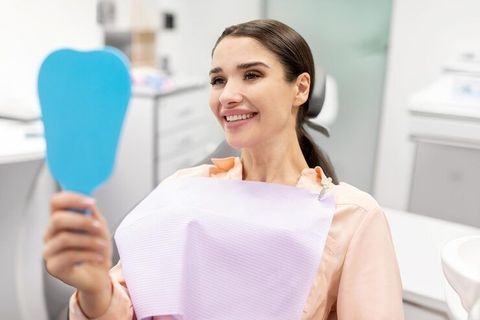
Teeth whitening can brighten the appearance of teeth affected by food, drinks, tobacco exposure, or normal changes that occur with age.
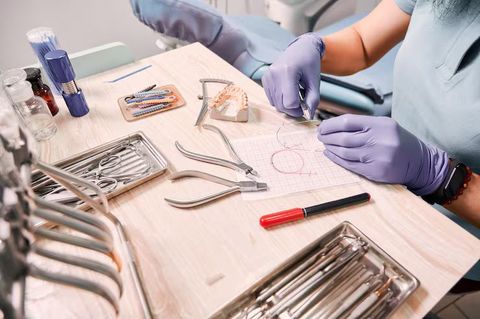
The process may involve professional treatment, dentist-supervised products, or carefully formulated at-home approaches, depending on individual needs.
Results vary because tooth discoloration does not always come from the same source. Surface stains can often respond differently from deeper discoloration, while fillings, crowns, and other restorations do not whiten in the same way as natural tooth enamel.
Understanding the available methods, expected results, possible sensitivity, and factors that affect effectiveness can make the process easier to evaluate. Knowing when professional dental advice is appropriate is equally important, particularly when discoloration is linked to an underlying dental condition.
How Teeth Whitening Works
Most whitening systems rely on bleaching agents that break down stain molecules within or on the tooth structure. Common active ingredients include hydrogen peroxide and carbamide peroxide, although their concentration and delivery method differ between products and professional treatments.
The whitening process does not physically remove a layer of enamel. Instead, the active ingredients interact with compounds responsible for darker tooth coloration, making the teeth appear lighter.
Not every type of discoloration responds equally. Yellowish stains caused by accumulated pigments may respond well, while some gray, brown, or internally caused discoloration may require a different approach.
Common Teeth Whitening Methods
The most suitable method depends on the source of staining, the condition of the teeth, and the level of whitening desired.
Professional In-Office Whitening
Professional whitening is performed under dental supervision using carefully controlled products and application procedures. Some treatments use higher concentrations of peroxide and may incorporate specialized light sources, although the effectiveness of light activation can vary by system.
A professional appointment can provide a more controlled process because the gums and surrounding tissues can be protected while the whitening material is applied.
This approach may be considered when someone wants noticeable improvement within a relatively short treatment period or has concerns about applying whitening products independently.
Dentist-Supervised Take-Home Whitening
Dentists may provide customized trays designed to hold whitening gel against the teeth. The wearer typically follows a schedule based on the formulation and the condition of the teeth.
Because the trays are fitted to the individual's teeth, they can provide more consistent contact with the tooth surfaces than generic products. The whitening process also takes place gradually, which may make it easier to adjust treatment if sensitivity develops.
Over-the-Counter Whitening Products
Whitening strips, gels, toothpastes, pens, and trays are widely available for people seeking a gradual change in tooth color. Their formulations and peroxide concentrations vary considerably.
Whitening toothpaste generally focuses more on removing or controlling surface stains than changing the underlying color of the tooth. Strips and peroxide-based products can produce a more noticeable whitening effect when used according to their instructions.
Results from these methods are often more gradual than professional treatment, and consistency plays a significant role.
What Results Can You Expect?
There is no universal whitening result because natural tooth color varies from person to person. Some teeth may become several shades lighter, while others show a more modest change.
The source of discoloration is one of the biggest factors. Surface staining from coffee, tea, wine, or tobacco may respond relatively well to whitening, while discoloration caused by trauma, certain medications, fluorosis, or changes within the tooth may be more difficult to treat.
Existing dental restorations also behave differently. Crowns, veneers, fillings, and other restorative materials generally do not change color in response to peroxide whitening products.
This can create noticeable shade differences when natural teeth become lighter around an existing restoration.
How Long Does Whitening Last?
Whitening is not usually permanent. Teeth naturally accumulate new stains over time, particularly when exposed to strongly pigmented foods, beverages, or tobacco.
How long the results remain visible depends on oral hygiene, dietary habits, the original cause of staining, and the whitening method used. Some people maintain their results through occasional touch-up treatments, while others may notice gradual darkening sooner.
Routine brushing, professional dental care, and limiting frequent exposure to staining substances can help maintain a brighter appearance.
Tooth Sensitivity and Other Side Effects
Temporary tooth sensitivity is one of the most common side effects associated with whitening. Some people may also experience irritation of the gums when whitening material contacts soft tissue.
Sensitivity can occur because peroxide-based agents temporarily affect the movement of substances through enamel and dentin toward the tooth's nerve. It often decreases after treatment stops, but the severity differs among individuals.
People with existing sensitivity, worn enamel, exposed tooth roots, cracks, cavities, or gum problems may experience greater discomfort. Using whitening products more frequently or leaving them on longer than directed does not necessarily improve results and can increase irritation.
When Whitening May Not Be Appropriate
Whitening is primarily a cosmetic procedure and does not correct every cause of tooth discoloration. A dental evaluation may be appropriate when teeth have changed color unexpectedly or when discoloration affects only one tooth.
Darkening can sometimes be associated with decay, trauma, infection, enamel defects, or other dental problems. Treating the underlying issue is more important than attempting to lighten the tooth first.
Professional evaluation is also useful before whitening when there are untreated cavities, significant gum inflammation, loose restorations, or severe sensitivity.
Factors That Influence Whitening Results
Several factors can affect how evenly and effectively teeth respond to whitening.
Important considerations include:
- The original cause and depth of discoloration
- Natural tooth shade
- Enamel condition
- Whitening ingredient and concentration
- Treatment duration
- Frequency of use
- Existing dental restorations
- Dietary and tobacco habits
Expectations should therefore be based on the condition of the individual teeth rather than a standardized shade outcome.
How to Approach Whitening More Safely
Following product directions is one of the simplest ways to reduce avoidable problems. Whitening materials should not be applied more often, in larger amounts, or for longer periods than recommended.
A dental professional can also help determine whether discoloration is appropriate for whitening and whether existing dental work may affect the final appearance.
Good oral hygiene remains important throughout the process. Whitening does not replace brushing, interdental cleaning, routine dental examinations, or treatment of existing oral health problems.
Frequently Asked Questions
Is teeth whitening safe for everyone?
Whitening can be appropriate for many healthy adults, but it is not suitable for every situation. People with untreated dental problems, significant sensitivity, gum disease, or certain causes of internal discoloration may need evaluation first.
Does whitening damage tooth enamel?
When used as directed, professionally supervised or properly formulated whitening systems are generally designed to whiten without removing enamel. Excessive or inappropriate use can increase sensitivity and irritation.
Why are my teeth still yellow after whitening?
Natural teeth can have an underlying yellowish tone, and some forms of discoloration originate deeper within the tooth. Whitening may lighten these teeth without producing a bright white appearance.
Can crowns and fillings be whitened?
Most dental restorations do not respond to peroxide whitening in the same way as natural teeth. Whitening natural teeth can therefore make an existing restoration appear darker by comparison.
How can whitening results be maintained?
Results can be prolonged through consistent oral hygiene and by limiting frequent exposure to substances that stain teeth. Some people may also use dentist-directed maintenance treatments when appropriate.
Conclusion
Teeth whitening can improve the appearance of stained or darkened natural teeth, but results depend heavily on the source of discoloration, the condition of the teeth, and the method used. Professional treatments, dentist-supervised trays, and at-home products each provide different approaches to achieving a lighter appearance.
Safety and realistic expectations are essential. Understanding how whitening works, recognizing the possibility of temporary sensitivity, and checking existing dental conditions can help ensure that cosmetic whitening is approached appropriately. When discoloration has an unusual cause or dental problems are present, evaluation should come before whitening.