Skin texture and tone often change gradually through sun exposure, aging, inflammation, and other environmental influences.
Skin rejuvenation treatments address some of these visible changes by encouraging new skin formation, resurfacing the outer layer, or supporting collagen remodeling.
The range of options has expanded from traditional chemical peels to laser treatments, microneedling, radiofrequency, and combination approaches. Each works differently, and the right choice depends on whether the main concern is uneven pigmentation, rough texture, fine lines, or a combination.
Understanding how these treatments work, what they can realistically improve, and how recovery varies helps readers approach skin rejuvenation with clearer expectations. It also makes the consultation process more productive, especially when treatment selection depends on skin type, medical history, and the cause of the concern.
What Skin Rejuvenation Treatments Are Designed to Improve
Skin rejuvenation is a broad term for procedures that improve the appearance of skin affected by pigmentation, uneven texture, fine lines, or mild loss of firmness. Some treatments work mainly at the surface, while others target deeper tissue to stimulate collagen production.
The term does not describe one standardized procedure. A treatment that improves sun-related discoloration may have little effect on deep acne scars, while a procedure designed for textural irregularities may not address every type of pigmentation.
Common concerns include:
Uneven skin tone and sun spots
Rough or dull-looking surface texture
Fine lines and mild wrinkles
Enlarged-looking pores
Acne scars and other shallow textural irregularities
Mild skin laxity
The goal is usually improvement rather than complete correction. Results depend on the underlying condition, treatment depth, skin response, and consistency of aftercare.
How Different Treatment Categories Work
Choosing among skin rejuvenation treatments becomes easier when their mechanisms and typical uses are understood. The following categories overlap, but each has a different approach to improving skin appearance.
Chemical Peels
Chemical peels use a carefully selected solution to remove or loosen damaged outer skin cells. Depending on the formulation and depth, they may improve surface roughness, mild discoloration, and some forms of acne-related skin change.
Superficial peels generally involve less recovery and may be repeated over time. Deeper peels affect more layers of skin and require more careful assessment because irritation, prolonged redness, and pigmentation changes can be more significant.
Common ingredients include glycolic acid, salicylic acid, lactic acid, and trichloroacetic acid. Their suitability depends on concentration, application technique, skin condition, and the individual’s history of sensitivity or pigmentation problems.
Laser and Light-Based Treatments
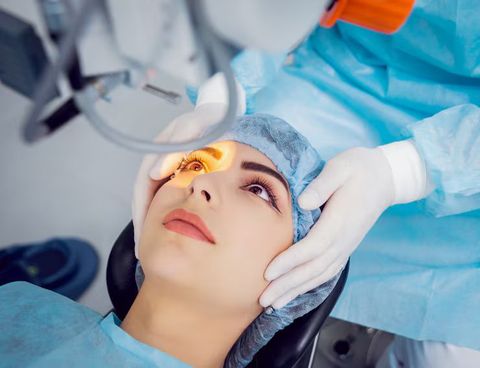
Laser resurfacing uses concentrated energy to affect targeted layers of skin. Ablative lasers remove portions of the outer skin, while non-ablative approaches heat underlying tissue with less surface disruption.
Ablative resurfacing can address more pronounced textural changes and wrinkles but generally requires more recovery. Non-ablative treatments may involve a series of sessions and are often selected when a gentler approach is appropriate.
Other light-based technologies, including intense pulsed light (IPL), are commonly used for certain types of pigmentation and visible redness. IPL is not a laser, and its effectiveness depends on the specific skin concern and the contrast between the target and surrounding skin.
Microneedling
Microneedling uses fine needles to create controlled microscopic punctures in the skin. This process can stimulate a wound-healing response associated with collagen remodeling.
It is commonly considered for mild acne scars, uneven texture, and fine lines. Because the treatment does not remove the entire outer skin layer, recovery is often shorter than with deeper resurfacing procedures.
Some clinics combine microneedling with radiofrequency, which delivers energy deeper into the tissue. This is a distinct procedure from conventional microneedling and should be evaluated according to its own risks and expected results.
Radiofrequency and Other Energy-Based Treatments
Radiofrequency treatments use electromagnetic energy to heat targeted tissue. The intended effect is often collagen remodeling and improvement in the appearance of mild skin laxity or texture.
Some devices deliver energy through the skin without needles, while others use microneedles to reach deeper layers. Ultrasound-based treatments are another category that may be used for selected firmness concerns.
These procedures do not all produce the same results. Device settings, treatment depth, the area treated, and the person’s skin characteristics influence both outcomes and recovery.
Matching the Treatment to the Skin Concern
A useful consultation begins with the concern rather than the procedure. Uneven tone, for example, can result from sun exposure, melasma, post-inflammatory hyperpigmentation, or other conditions. Treating the wrong cause may produce limited improvement or worsen discoloration.
Main concern | Treatments commonly considered | Important consideration |
|---|---|---|
Mild surface roughness | Superficial peels, microneedling, selected non-ablative treatments | The cause of roughness matters |
Sun-related pigmentation | IPL, selected lasers, chemical peels | Pigment type and skin tone affect suitability |
Fine lines | Non-ablative resurfacing, microneedling, selected peels | Results vary with depth and skin elasticity |
Acne scars | Microneedling, fractional resurfacing, combination procedures | Scar type determines the approach |
Mild laxity | Radiofrequency, ultrasound-based treatments, selected lasers | These do not replace surgical lifting |
This table is a starting point, not a treatment prescription. A dermatologist or appropriately qualified clinician should assess the skin before recommending a procedure.
What Happens During the Planning and Treatment Process
A proper consultation usually includes an assessment of the skin concern, medical history, previous procedures, medications, and tendency toward scarring or pigmentation changes. The clinician may also ask about active acne, eczema, cold sores, or recent sun exposure.
The treatment plan should explain the expected degree of improvement, the number of sessions, possible side effects, and the recovery period. It should also clarify whether the procedure is intended to improve texture, tone, or both.
Preparation varies. Some treatments require patients to avoid certain irritating products or postpone procedures after significant sun exposure. Others may require specific antiviral precautions or changes to a skincare routine.
During treatment, the skin may be cleansed and prepared with a topical anesthetic, depending on the procedure. Protective eyewear is essential for many laser and light-based treatments. The procedure itself may involve warmth, tingling, or discomfort, but the experience differs considerably between technologies.
Recovery, Side Effects, and Safety Considerations
Recovery depends largely on how deeply the treatment affects the skin. Superficial procedures may cause temporary redness, dryness, or peeling. More intensive resurfacing can involve swelling, crusting, prolonged redness, and a longer period of skin sensitivity.
Common temporary effects may include:
Redness or warmth
Mild swelling
Dryness or peeling
Temporary sensitivity
Darkening or lightening of treated areas
More serious complications can include infection, burns, scarring, and persistent pigmentation changes. The risk is influenced by the procedure, treatment settings, skin type, aftercare, and the clinician’s experience.
People with darker skin tones may have a greater risk of post-inflammatory hyperpigmentation after certain procedures, particularly aggressive resurfacing. This does not automatically rule out treatment, but it makes appropriate device selection, conservative settings, and careful planning especially important.
Active skin infections, open wounds, uncontrolled inflammatory skin conditions, and certain medications may require postponement or additional medical assessment. A clinician should also review any history of abnormal scarring or previous reactions to cosmetic procedures.
Aftercare and Maintaining Results
Aftercare is part of the treatment, not an optional extra. The skin may be more sensitive to sunlight and irritating products during recovery, so following the clinician’s instructions is important.
Sun protection is particularly relevant when treating pigmentation or resurfacing the skin. Broad-spectrum sunscreen, protective clothing, and reduced direct sun exposure can help limit additional damage and reduce the likelihood of pigment-related complications.
A gentle skincare routine is often appropriate during the initial recovery period. Strong exfoliants, retinoids, fragranced products, or other potentially irritating ingredients may need to be paused temporarily, depending on the procedure.
Results also vary in how long they remain visible. Some improvements develop gradually as collagen remodeling continues, while pigmentation changes may require ongoing sun protection and management of the underlying cause.
Frequently Asked Questions
Are skin rejuvenation treatments suitable for every skin type?
No single procedure is suitable for everyone. Skin tone, sensitivity, medical history, pigmentation tendency, and the specific concern all influence treatment selection.
How many sessions are usually needed?
The number varies by procedure and treatment goal. Some concerns may improve after one session, while others require a series of treatments spaced over several weeks or months.
Can skin rejuvenation remove acne scars completely?
Most treatments aim to soften the appearance of scars rather than eliminate them entirely. The type, depth, and pattern of scarring determine which approach may be appropriate.
Is downtime always required?
No. Some superficial treatments involve little downtime, while deeper resurfacing procedures may require a longer recovery period. The expected recovery should be discussed before treatment.
When should a person seek medical advice before treatment?
Anyone with active skin disease, a history of abnormal scarring, recent significant sun exposure, or medications that may affect healing should discuss these factors with a qualified clinician before proceeding.
Conclusion
Skin rejuvenation treatments offer different ways to address uneven tone, rough texture, fine lines, and selected signs of skin aging. Chemical peels, lasers, microneedling, and energy-based procedures differ in how they work, how deeply they affect the skin, and how much recovery they require.
The most useful starting point is a clear assessment of the skin concern, followed by a treatment plan that considers realistic results, safety, and aftercare. Understanding these differences helps readers approach skin rejuvenation with informed expectations rather than choosing a procedure based only on its name.