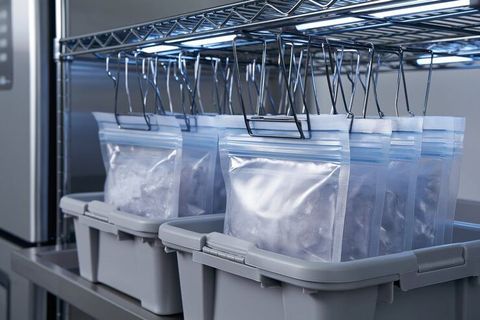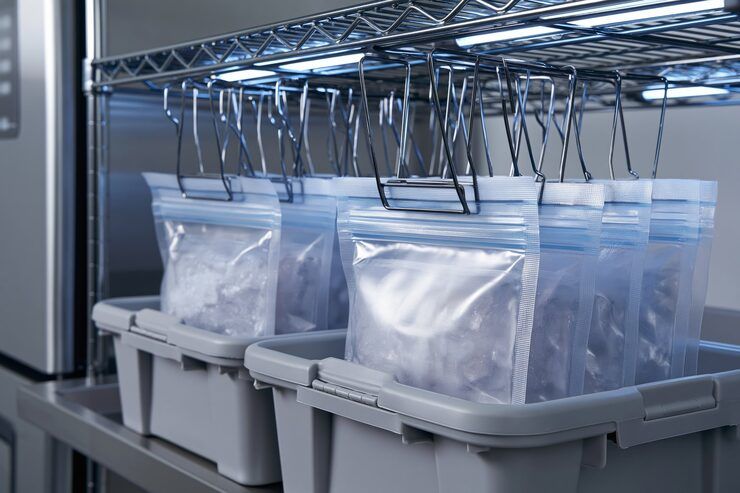
Temperature-sensitive products can lose their intended quality when exposed to conditions outside a controlled range.
Cold chain packaging helps maintain those conditions while products move through storage, handling, transportation, and delivery.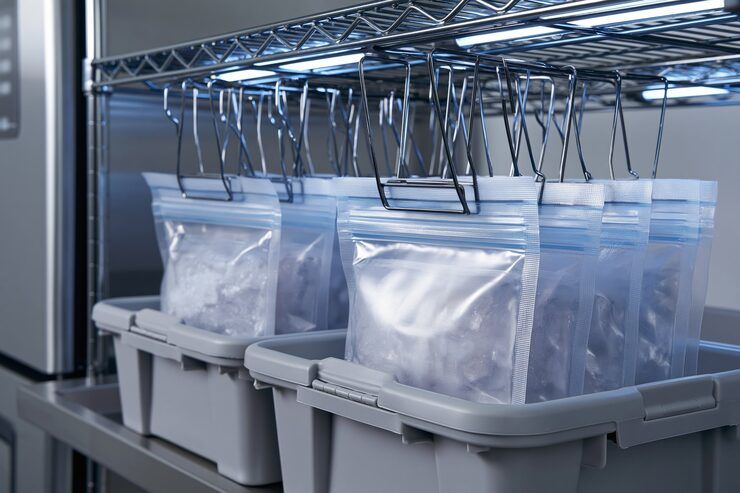
This packaging plays a particularly important role in industries where temperature changes can affect product stability, safety, or performance. Pharmaceuticals, vaccines, biologic materials, certain foods, specialty chemicals, and laboratory products may all require carefully controlled shipping environments.
Effective protection depends on more than an insulated box. Packaging design must account for the product's temperature range, shipment duration, outside conditions, cooling materials, internal arrangement, and the possibility of delays. Understanding how these elements work together helps explain why cold chain packaging is treated as part of a complete temperature-controlled logistics system.
Why Temperature Control Matters During Transport
A product may leave a controlled manufacturing or storage environment in excellent condition, but its protection can be compromised during transportation. Exposure to excessive heat, freezing conditions, or repeated temperature fluctuations may alter its physical or chemical characteristics.
The required temperature range depends on the product. Some materials need refrigerated conditions, while others must remain frozen. Certain products may also have strict limits on how long they can remain outside their specified range.
Cold chain packaging creates a controlled microenvironment around the product. Its purpose is to slow heat transfer and, when necessary, introduce a cooling source that helps maintain the desired internal conditions throughout the shipment.
The packaging therefore acts as a protective system rather than simply a container.
How Cold Chain Packaging Controls Temperature
Temperature-controlled packaging generally works by managing the movement of heat between the external environment and the packaged product.
Insulating materials slow heat transfer through the walls of the package. Cooling elements absorb incoming heat or maintain a low internal temperature, depending on their formulation and application.
A typical system may contain several coordinated components:
- An outer shipping container that provides structural protection
- Insulation that limits heat transfer
- Coolant or thermal-control materials
- An internal compartment for the product
- Temperature-monitoring devices when required
The effectiveness of the system depends on how these components are designed together. Increasing insulation alone does not necessarily guarantee adequate temperature protection if the coolant quantity, placement, or shipping duration is inappropriate.
Choosing the Right Insulation
Insulation is one of the central elements of cold chain packaging because it determines how quickly external temperatures can influence the package interior.
Common insulation approaches include expanded polystyrene, polyurethane-based materials, vacuum-insulated panels, and specialized insulated foams. Each material has different thermal characteristics, physical properties, and handling considerations.
The choice depends on the required temperature range and expected shipment conditions. A package intended for a short refrigerated shipment may require a different insulation configuration from one designed for a longer frozen journey.
Thickness is also only one part of the equation. Seams, closures, gaps, and areas where packaging components meet can create pathways for heat transfer. Good package engineering therefore considers the entire thermal structure rather than focusing on insulation thickness alone.
The Role of Coolants and Thermal Materials
Insulation slows temperature change, but many shipments require an active thermal component to maintain the desired environment.
Gel packs, frozen water-based packs, dry ice, and phase change materials can be used for different applications. Their suitability depends on the target temperature and the characteristics of the product being transported.
Phase change materials are particularly useful when a narrow temperature range needs to be maintained. They are designed to absorb or release thermal energy around a defined transition temperature, helping stabilize the package interior.
Dry ice is used for applications requiring very low temperatures, but it introduces additional considerations because it changes directly from a solid to a gas. Packaging systems using dry ice therefore require appropriate ventilation and handling procedures.
The coolant itself must also be positioned correctly. Poor placement can create localized cold zones that may expose sensitive products to undesirable temperatures even when the overall package remains within an acceptable range.
Designing the Internal Package Arrangement
The space inside a temperature-controlled shipment is not simply filled with product and coolant. Internal arrangement can have a significant effect on thermal performance.
Products may need to be separated from frozen coolant to prevent direct contact with surfaces that are too cold. Spacers, trays, partitions, or secondary containers can help create the required separation.
The number and location of individual products also affect airflow and heat distribution. A tightly packed shipment can behave differently from a partially filled package because the thermal mass and available internal air volume change.
For this reason, packaging systems are commonly evaluated under defined configurations. The design needs to perform reliably under the intended loading pattern rather than only under ideal laboratory conditions.
Temperature Monitoring During the Cold Chain
Packaging protects the product, but monitoring provides evidence of what happened during transportation.
Temperature indicators, data loggers, and other monitoring devices can record or signal temperature conditions during a shipment. The appropriate device depends on the sensitivity of the product and the requirements of the distribution process.
A basic indicator may show whether a specified threshold has been exceeded. A data logger can provide a more detailed temperature history, allowing the shipment's conditions to be reviewed after delivery.
Monitoring becomes particularly valuable when products have strict temperature requirements. If a shipment experiences an unexpected delay or exposure event, recorded information can help determine whether the product remained within its specified conditions.
Qualification and Testing of Packaging Systems
A cold chain package should not be judged solely by its appearance or the theoretical performance of its insulation. Thermal performance needs to be evaluated under conditions that reflect actual transportation environments.
Testing can examine how the package behaves at different external temperatures and over different durations. Factors such as coolant conditioning, product loading, package orientation, and shipment configuration may influence the results.
Thermal qualification can also consider seasonal conditions. A package designed for warm-weather transportation may experience very different external temperatures from one moving through a cold climate.
Transportation routes introduce additional variables, including warehouse transfers, aircraft cargo environments, delivery delays, and temporary storage. A robust packaging design accounts for these potential variations rather than assuming a perfectly controlled journey.
Protecting Products Beyond Temperature
Temperature is often the primary concern, but cold chain packaging can also provide protection against physical and environmental hazards.
Shock and vibration may occur during loading, transportation, and handling. Secondary packaging can help keep individual containers secure and reduce movement within the shipping system.
Moisture can also matter. Condensation may develop when cold surfaces encounter warmer humid air, potentially affecting labels, cartons, or sensitive external components.
Light exposure, contamination, and accidental opening may be additional concerns depending on the product. The packaging configuration therefore needs to protect the product as a complete shipping unit rather than focusing exclusively on thermal performance.
Designing for Different Cold Chain Requirements
Not every temperature-sensitive shipment requires the same packaging architecture.
A refrigerated shipment may use insulation combined with conditioned gel packs or phase change materials. A frozen shipment may require a different coolant arrangement and stronger thermal protection.
Ultra-low-temperature applications can involve specialized materials and handling procedures. The package must be designed around the temperature requirements of the product rather than adapting a generic container to every situation.
Shipment duration is another major factor. A package designed for a short local delivery may not maintain its required conditions during a multi-day international journey.
The most appropriate design therefore considers several variables together:
Product requirements + temperature range + transit duration + external conditions + package configuration + monitoring strategy
Changing one of these variables can affect the performance of the entire system.
Sustainability and Reusability Considerations
Cold chain packaging can generate substantial packaging material because thermal protection often requires insulation, coolant systems, secondary containers, and protective components.
Reusable systems are one approach for reducing repeated packaging consumption. These systems can be designed for multiple transportation cycles, provided they can be properly returned, inspected, cleaned, reconditioned, and redeployed.
Single-use systems remain appropriate in certain distribution environments where return logistics are difficult or where specific contamination controls are required.
Material selection is increasingly being evaluated alongside thermal performance. The challenge is to reduce environmental impact without weakening the protection needed for temperature-sensitive products.
Where Cold Chain Packaging Is Heading
Cold chain packaging is becoming more closely connected with digital monitoring, improved thermal materials, reusable systems, and more precise package qualification.
Real-time monitoring technologies can provide greater visibility into shipment conditions, while improved insulation and phase change materials can support more controlled thermal performance. Packaging designers are also working to reduce material use without compromising protection.
The broader direction is toward packaging systems that are easier to monitor, validate, handle, and integrate into temperature-controlled logistics networks.
Frequently Asked Questions
What is cold chain packaging used for?
Cold chain packaging is used to protect temperature-sensitive products during transportation and temporary storage. Common applications include pharmaceuticals, vaccines, biologic materials, certain foods, laboratory products, and other temperature-sensitive goods.
How does cold chain packaging maintain temperature?
It combines insulation with thermal-control materials such as gel packs, phase change materials, or dry ice. Insulation slows external heat transfer while the thermal material helps maintain the required internal temperature.
Can cold chain packaging prevent freezing?
It can be designed to reduce unwanted freezing, but the packaging configuration must match the product's temperature requirements. Coolant placement, conditioning, insulation, and internal separation can all influence the risk of excessive cooling.
How long can cold chain packaging maintain temperature?
The duration depends on the package design, insulation, coolant system, product load, external temperature, and transportation conditions. There is no single holding time that applies to every cold chain package.
Why is temperature monitoring important?
Monitoring can provide evidence of the conditions experienced during transportation. This can help identify temperature excursions and support decisions about whether a shipment remained within its required range.
Conclusion
Cold chain packaging protects temperature-sensitive products by combining insulation, thermal-control materials, product arrangement, and appropriate monitoring. Its performance depends on how these elements work together throughout the expected transportation environment.
Effective packaging is therefore designed around the product, temperature range, shipment duration, and real-world logistics conditions. As monitoring technology, thermal materials, reusable systems, and packaging engineering continue to develop, cold chain protection is becoming more precise and adaptable across temperature-sensitive industries.