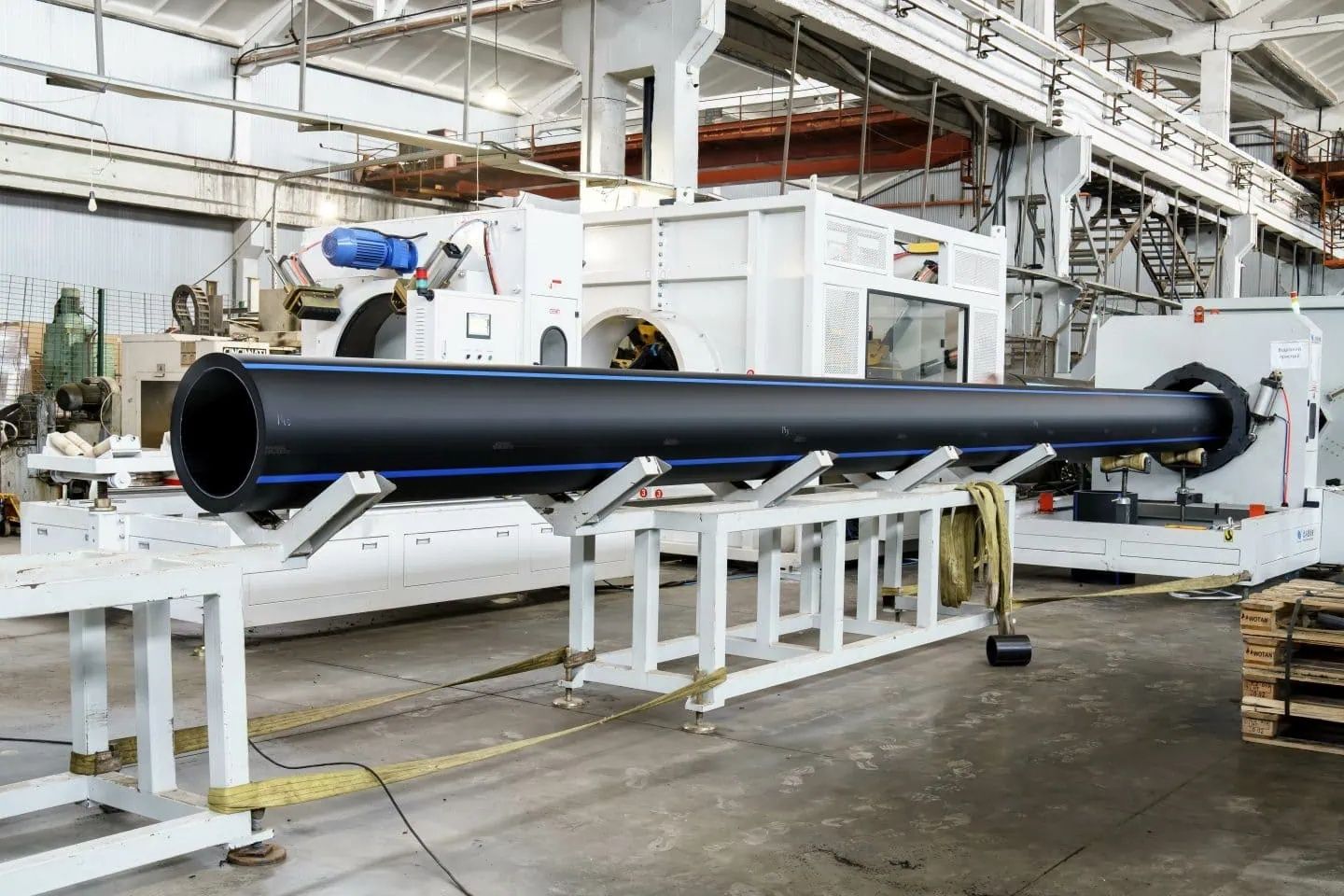
Extrusion technology is a core manufacturing process used to shape plastic materials into continuous products with a uniform cross-section. In plastics processing, extrusion involves melting raw polymer material and forcing it through a specially designed die to create items such as pipes, sheets, films, profiles, tubing, and insulation coatings.
The process exists to meet the need for efficient, repeatable, and scalable production of plastic components. Unlike batch-based molding processes, extrusion allows continuous output, making it suitable for large-volume manufacturing. Over decades, extrusion has evolved from simple mechanical systems to highly controlled, data-driven operations that support modern industrial requirements.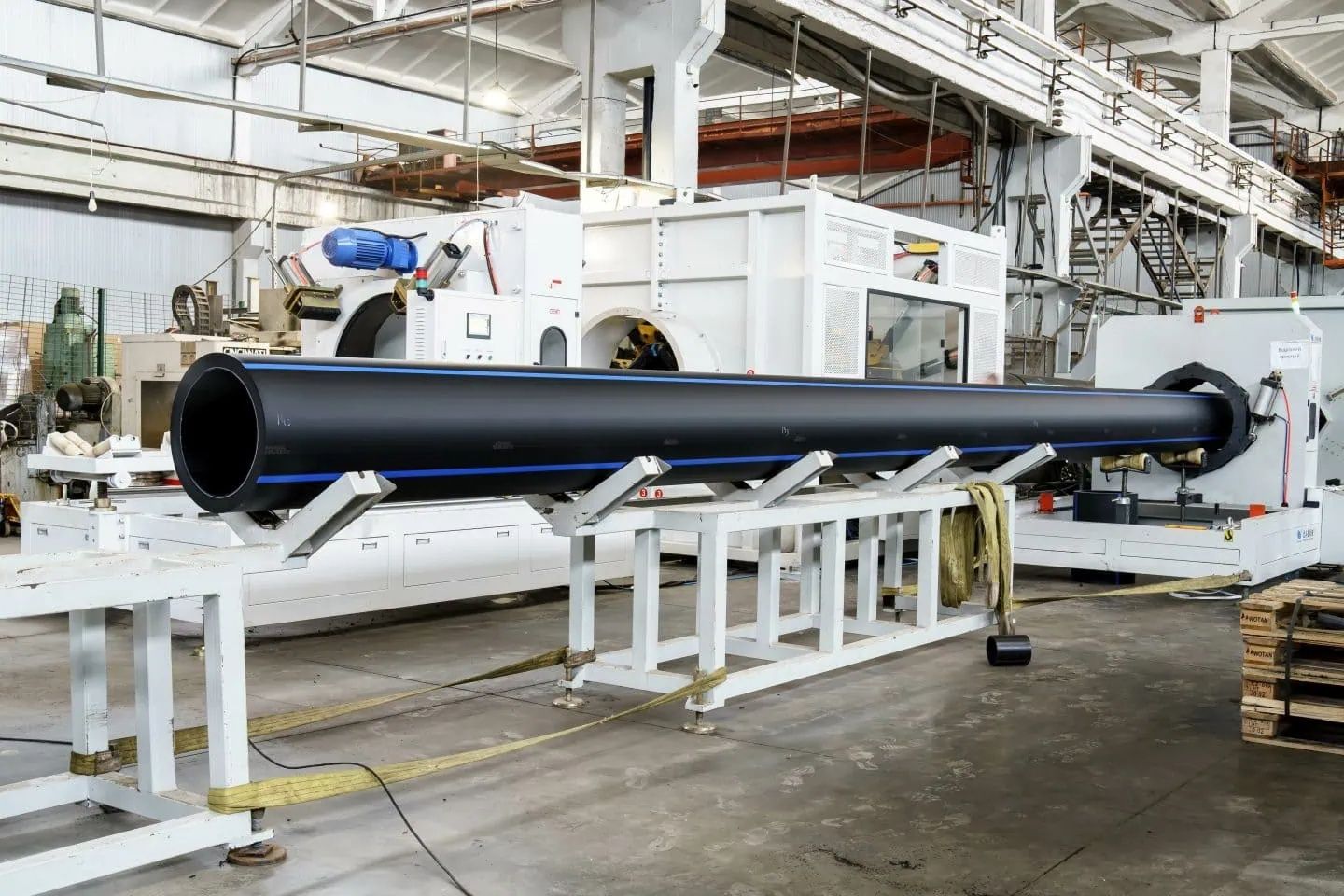
Extrusion technology forms the backbone of many everyday products and industrial applications, making it a foundational concept in plastics engineering and manufacturing education.
Why Extrusion Technology Matters Today
Extrusion technology plays a vital role in modern manufacturing because plastic materials are widely used across infrastructure, packaging, healthcare, automotive, construction, and consumer goods. As demand for lightweight, durable, and customizable materials increases, extrusion remains one of the most reliable processing methods.
This technology matters today because it:
-
Enables continuous, high-output plastics manufacturing
-
Supports consistent product dimensions and surface quality
-
Allows processing of a wide range of polymers and blends
-
Reduces material waste through controlled flow and recycling integration
-
Supports innovation in multi-layer and composite plastic products
Industries affected by extrusion technology include plastics processors, material scientists, equipment manufacturers, quality engineers, and sustainability planners. The process helps solve challenges such as inconsistent product quality, inefficient material usage, and limitations in producing long or complex plastic profiles.
As infrastructure expansion, urbanization, and packaging demand continue globally, extrusion technology remains a critical solution for scalable plastics production.
How Extrusion Technology Works in Plastics Processing
Extrusion is a step-by-step process that converts solid plastic material into a shaped, continuous product. Although equipment designs may vary, the fundamental working principle remains consistent.
Basic extrusion process explained
-
Plastic raw material, usually in pellet or granule form, is fed into an extruder hopper
-
A rotating screw moves the material forward through a heated barrel
-
Heat and mechanical shear melt the plastic into a homogeneous mass
-
The molten plastic is pushed through a die that determines the final shape
-
The extruded product is cooled using air or water systems
-
The finished profile is cut or wound depending on application
Precise control of temperature, pressure, and screw speed ensures consistent output quality. Advanced systems integrate digital controls to monitor flow rate, melt pressure, and energy consumption.
Table: Common Plastic Extrusion Types and Applications
| Extrusion Type | Description | Typical Applications |
|---|---|---|
| Profile Extrusion | Produces solid shapes with fixed cross-section | Window frames, trims |
| Pipe & Tube Extrusion | Forms hollow cylindrical products | Water pipes, conduits |
| Sheet & Film Extrusion | Creates flat plastic sheets or thin films | Packaging, panels |
| Co-Extrusion | Combines multiple material layers | Barrier films, coatings |
| Blow Film Extrusion | Produces thin plastic films using air inflation | Flexible packaging |
Recent Updates and Industry Trends
Extrusion technology continues to adapt to market demands and sustainability goals. Over the past year, several developments have influenced plastics processing practices.
Key recent trends include:
-
Increased focus on energy-efficient extruder designs using advanced screw geometry
-
Greater adoption of digital monitoring and automation for real-time quality control
-
Expanded use of recycled and bio-based polymers in extrusion lines
-
Growth in multi-layer co-extrusion for functional packaging materials
-
Improved melt filtration systems to support recycled plastic processing
-
Integration of data analytics for predictive maintenance and process optimization
In 2024 and 2025, manufacturers have placed stronger emphasis on reducing environmental impact while maintaining output consistency. Extrusion technology is increasingly aligned with circular economy practices through improved recyclability and material efficiency.
Laws, Regulations, and Policy Considerations
Extrusion technology in plastics processing is influenced by manufacturing, environmental, and safety regulations. These policies vary by country but generally aim to ensure product safety, worker protection, and environmental responsibility.
Key regulatory considerations include:
-
Industrial safety standards for machinery operation and workplace protection
-
Environmental regulations related to plastic waste, emissions, and recycling
-
Material compliance standards for products used in construction, packaging, and healthcare
-
Energy efficiency guidelines for industrial equipment
-
Quality and testing standards for extruded plastic products
In many regions, government programs encourage sustainable manufacturing practices, including the use of recycled plastics and reduced energy consumption. Compliance with these frameworks ensures that extrusion operations align with legal, environmental, and social expectations.
Tools, Software, and Learning Resources
Various tools and resources help professionals understand, operate, and optimize extrusion processes.
Useful resources include:
-
Extrusion process simulation software for screw and die design
-
Melt flow and polymer property calculators
-
Temperature and pressure monitoring dashboards
-
Material compatibility charts for polymer selection
-
Industry handbooks and technical standards documentation
-
Online learning platforms covering plastics processing fundamentals
-
Data logging tools for production analysis and quality tracking
These tools support engineers, operators, and students in improving process understanding and maintaining consistent production quality.
Practical Insights and Knowledge Tips
Applying extrusion technology effectively requires both theoretical understanding and practical awareness.
Helpful insights include:
-
Consistent material feeding improves melt stability
-
Proper screw design directly impacts output quality
-
Controlled cooling prevents warping and dimensional variation
-
Regular inspection of dies maintains surface finish accuracy
-
Monitoring melt pressure helps detect blockages early
-
Blending materials requires precise temperature control
-
Documentation of process parameters supports repeatability
A disciplined approach to monitoring and adjustment improves long-term extrusion performance.
FAQs
What is extrusion technology in plastics processing?
It is a manufacturing process where molten plastic is forced through a die to create continuous products with a fixed cross-section.
Which plastics are commonly used in extrusion?
Common materials include polyethylene, polypropylene, PVC, polystyrene, and engineering polymers, depending on application needs.
How does extrusion differ from injection molding?
Extrusion produces continuous shapes, while injection molding creates discrete, individual parts using molds.
Why is temperature control important in extrusion?
Accurate temperature control ensures uniform melting, prevents material degradation, and maintains consistent product dimensions.
Can recycled plastics be used in extrusion?
Yes, with proper filtration and processing control, recycled plastics are widely used in modern extrusion systems.
Conclusion
Extrusion technology is a fundamental process in plastics processing, supporting continuous, efficient, and scalable production of a wide range of plastic products. Its ability to shape materials consistently makes it indispensable across industries such as construction, packaging, infrastructure, and manufacturing.
Recent advancements in automation, energy efficiency, and material compatibility demonstrate how extrusion continues to evolve with industry needs. Regulatory frameworks and sustainability goals further influence how extrusion systems are designed and operated.
Understanding the principles, tools, and trends of extrusion technology enables professionals and learners to appreciate its role in modern manufacturing. As plastics processing continues to advance, extrusion remains a key driver of innovation, efficiency, and industrial reliability.