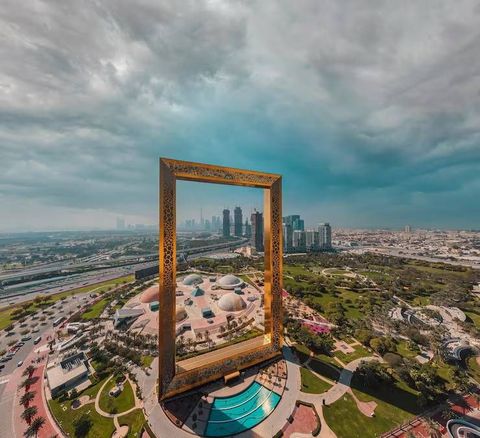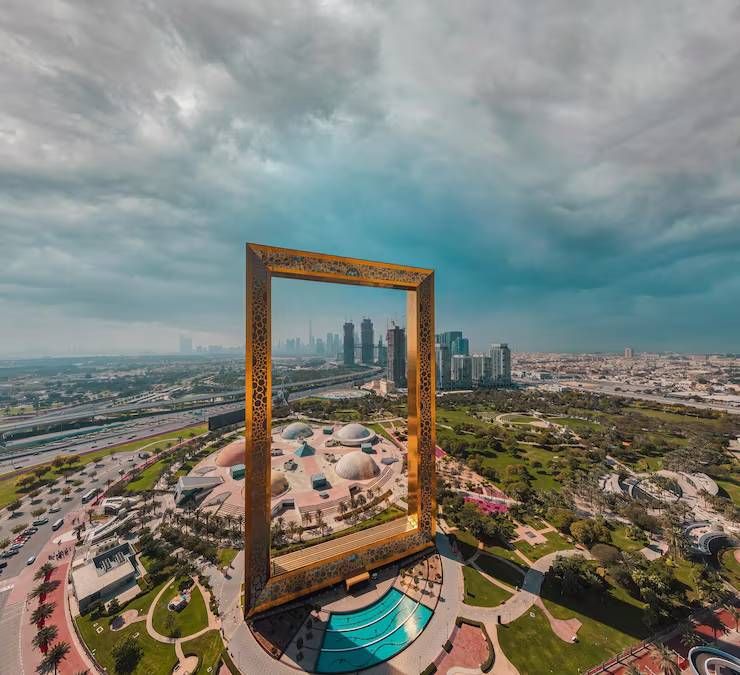
Dubai brings together dramatic architecture, desert landscapes, traditional neighborhoods, waterfront districts, and a constantly changing urban scene. For travelers, Dubai travel can feel very different from one day to the next, moving from towering city landmarks to quiet heritage areas and open desert surroundings.
The city has grown into a major international destination, but its appeal extends beyond its famous skyline. Visitors can experience Emirati heritage in historic districts, explore contemporary cultural spaces, spend time along the coast, and discover food, markets, and outdoor activities that reveal different sides of the city.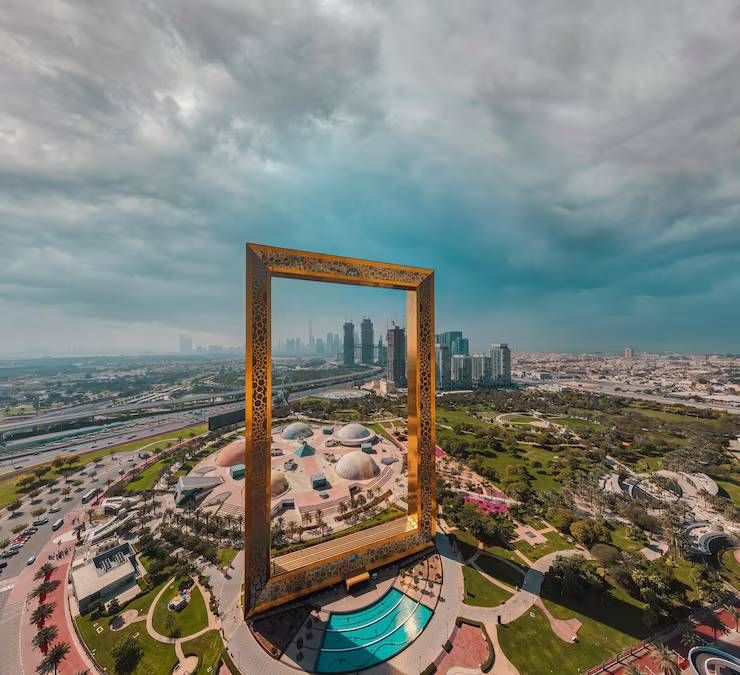
A well-planned trip works best when these experiences are viewed as parts of one destination rather than a checklist of attractions. Understanding Dubai's neighborhoods, major landmarks, cultural character, outdoor settings, and practical travel rhythms makes it easier to create an itinerary that feels varied and personal.
Start With Dubai's Most Recognizable Landmarks
Dubai's skyline is closely associated with ambitious architecture, and several landmarks have become defining parts of the city's identity. The Burj Khalifa is the most recognizable example, offering elevated views across the dense urban landscape, coastline, and surrounding desert.
Nearby, Downtown Dubai provides a concentrated introduction to the city's contemporary character. The area combines major architectural sights with pedestrian spaces, restaurants, entertainment venues, and views of the Dubai Fountain area.
Another distinctive attraction is the Museum of the Future, whose striking exterior makes it a landmark in its own right. Its exhibitions focus on technology, innovation, and possible future ways of living, giving visitors a different perspective from conventional historical museums.
Dubai Marina provides another side of modern Dubai. High-rise buildings surround a waterfront promenade, while boats move through the marina and restaurants line sections of the waterfront. Visiting around sunset can create a noticeably different atmosphere from exploring the district during the hotter part of the day.
Discover the City's Older Character
Dubai's modern skyline can sometimes overshadow the city's earlier identity. Exploring its historic districts provides useful context for understanding how the city developed from a trading settlement into a global metropolitan center.
Al Fahidi Historical Neighbourhood is known for its narrow lanes, traditional architecture, courtyards, and restored buildings. The district offers a slower pace than the central business areas and provides opportunities to learn about traditional Gulf architecture and community life.
The nearby Dubai Creek has long been associated with commerce and movement. Traditional wooden boats known as abras still operate across the water, providing a simple way to experience the creek while connecting areas on either side.
The surrounding souks add another layer to the experience. Gold, spices, textiles, perfumes, and other goods are displayed in environments that feel distinctly different from Dubai's modern shopping malls.
Look Beyond the Famous Attractions
Some of the most memorable Dubai experiences come from spending time in places that are less dominated by major landmarks. Neighborhoods such as Alserkal Avenue offer a contemporary cultural perspective through galleries, creative spaces, exhibitions, and design-focused venues.
Jumeirah also provides a contrast between residential streets, coastal scenery, cultural attractions, and modern architecture. The area can be incorporated into a broader day of exploring the city's beaches and waterfront districts.
For travelers interested in local food, Dubai's diverse population creates an unusually broad culinary landscape. Emirati dishes can be experienced alongside cuisines from South Asia, the Middle East, East Africa, Southeast Asia, and many other regions.
Rather than treating dining as an afterthought, food can become part of the exploration itself. A traditional breakfast, a casual meal in an older neighborhood, or an evening spent sampling different dishes can reveal aspects of Dubai that major attractions cannot.
Experience the Desert Outside the City
Dubai's desert environment is one of its defining geographic features. A short journey away from the dense urban center can produce an entirely different setting of dunes, open horizons, and changing light.
Desert experiences vary considerably. Some focus on dune landscapes and scenic drives, while others combine desert activities with cultural demonstrations, traditional-style meals, wildlife observation, or evening entertainment.
The desert is particularly valuable as a contrast to the city's architecture. After spending time surrounded by skyscrapers, roads, shopping centers, and waterfront developments, the openness of the dunes offers a completely different sense of space.
Timing also affects the experience. Early morning and late afternoon generally provide more comfortable conditions than the middle of the day, while sunset creates changing colors across the sand.
Make Time for Dubai's Coast
Dubai's coastline adds another dimension to the city's travel experience. Beaches provide space to slow down between visits to major attractions, while waterfront districts offer opportunities for walking, dining, and enjoying views across the Arabian Gulf.
Jumeirah Beach is associated with views of the Burj Al Arab and Dubai's coastal setting. Other waterfront areas provide different atmospheres, from busy recreational zones to more relaxed stretches of shoreline.
Palm Jumeirah is another recognizable part of Dubai's geography. Its distinctive artificial-island design can be appreciated from ground level, waterfront locations, or elevated viewpoints.
Water-based activities can also provide a different way to see the city. Depending on conditions and available activities, visitors may choose sightseeing cruises, kayaking, paddleboarding, or other forms of coastal recreation.
Plan Around Dubai's Distinct Neighborhoods
One of the easiest ways to make a Dubai itinerary feel coherent is to organize activities geographically rather than moving randomly between distant attractions.
A day focused on Downtown can combine the Burj Khalifa area, surrounding public spaces, and nearby cultural or entertainment venues. Another day can concentrate on the historic creek districts, souks, and traditional neighborhoods.
Similarly, Marina, Jumeirah, and Palm Jumeirah can often be grouped into a coastal-focused itinerary. Desert activities work better as their own experience because they require travel away from the central urban areas.
This approach reduces unnecessary travel and gives each day a clearer character. It also leaves room for spontaneous discoveries rather than making every hour dependent on a strict schedule.
Understand Dubai's Climate and Daily Rhythm
Dubai's climate strongly influences how travelers experience the city. Outdoor sightseeing can become demanding during the hottest periods, so itinerary planning should account for temperature, sunlight, and the amount of walking involved.
Indoor attractions, shopping centers, museums, and cultural venues can provide useful alternatives during hotter parts of the day. Outdoor activities are often more comfortable during cooler periods, particularly from late afternoon into the evening.
The city's daily rhythm also changes between daytime and nighttime. Areas that feel quiet during the afternoon can become much more active after sunset, especially around waterfronts, dining districts, and entertainment areas.
Travelers should also consider appropriate clothing for different settings. Dubai is cosmopolitan, but visitors should remain respectful of local customs, particularly when visiting religious or culturally significant places.
Balance Modern Dubai With Local Culture
A memorable trip does not have to focus exclusively on the city's newest attractions. The contrast between modern development and Emirati heritage is one of Dubai's most interesting characteristics.
Visitors can move from futuristic architecture to historic neighborhoods within the same trip. That contrast helps explain the city's identity more effectively than seeing only skyscrapers and large entertainment districts.
Cultural experiences can include visiting heritage areas, learning about traditional architecture, exploring local markets, trying Emirati cuisine, and understanding the historical importance of the creek and maritime trade.
Respectful behavior also matters. Travelers should follow local rules concerning photography, dress, public conduct, and religious spaces. Small cultural considerations can make interactions smoother and demonstrate respect for the destination.
Build a Flexible Dubai Travel Experience
A strong Dubai itinerary should combine major landmarks with experiences that allow the city to unfold more naturally. Spending every day moving between famous attractions can make a trip feel rushed, while focusing only on quiet areas may mean missing the architectural identity that makes Dubai distinctive.
A balanced itinerary might include:
- Major architectural landmarks and skyline viewpoints
- Historic neighborhoods and traditional markets
- Beaches and waterfront districts
- Desert landscapes and outdoor activities
- Museums, galleries, and cultural spaces
- Local and international food experiences
- Relaxed evening walks and neighborhood exploration
The exact balance depends on the traveler's interests, season, available time, and preferred pace.
Frequently Asked Questions
How many days are useful for exploring Dubai?
Several days can provide a solid introduction, while a longer stay allows travelers to combine major attractions with cultural areas, desert experiences, beaches, and slower neighborhood exploration.
What makes Dubai different from other city destinations?
Dubai combines a highly developed modern skyline with desert landscapes, Gulf coastline, historic trading areas, multicultural communities, and visible Emirati heritage.
Is Dubai only suitable for luxury-focused travel?
No. The city offers many different types of experiences, including public beaches, historic districts, cultural attractions, traditional markets, outdoor areas, and casual dining alongside its more elaborate destinations.
What should travelers consider when planning outdoor activities?
Weather, heat, sunlight, walking distance, and activity timing are important considerations. Outdoor plans are generally easier to enjoy when scheduled around the day's warmer periods.
Conclusion
Dubai travel becomes more rewarding when the city is experienced through its contrasts. Iconic skyscrapers reveal its modern ambitions, historic neighborhoods provide cultural context, the desert creates a dramatic natural setting, and the coastline offers space to slow down.
Rather than trying to see everything, travelers can build a balanced itinerary around different sides of Dubai. Combining recognizable landmarks with hidden corners, cultural experiences, outdoor settings, and local food creates a more complete understanding of the destination.